Reading Notes
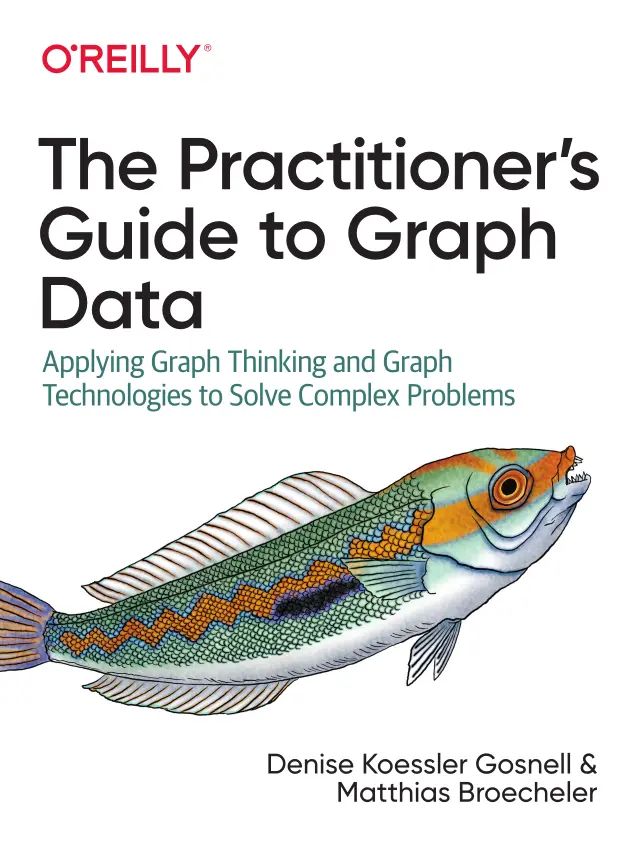
The Practitioner's Guide to Graph Data is about a specific shift in thinking: many real problems are easier to understand as relationships instead of rows.
Social networks make that obvious, but the pattern appears everywhere. Fraud detection, recommendations, entity resolution, identity graphs, knowledge graphs, pathfinding, and Customer 360 systems all depend on how things connect.
Useful Ideas
Graph Thinking Comes Before Graph Tools
The database choice is secondary. First, the team needs to ask relationship-shaped questions:
- Which entities matter?
- Which relationships carry meaning?
- Which paths are useful?
- Which connections should be weighted, filtered, or explained?
Once the questions are clear, graph technology becomes easier to evaluate.
Production Graph Work Is Distributed Work
Graph examples can look small in tutorials. In production, the hard parts include data ingestion, identity resolution, query performance, partitioning, and keeping derived relationships current.
That makes graph systems a good meeting point for data engineering, application architecture, and product modeling.
Relationships Are User Experience
A "shared friends" section, a recommendation list, or a trust score is not only a backend result. It changes how users understand context. The product needs to make those relationships legible.
Why I Keep It Nearby
This book is useful when a relational model starts feeling technically correct but conceptually awkward. It helps identify when the domain is really about connections, paths, and neighborhoods.
Get the Book
- O'Reilly: The Practitioner's Guide to Graph Data