Reading Notes
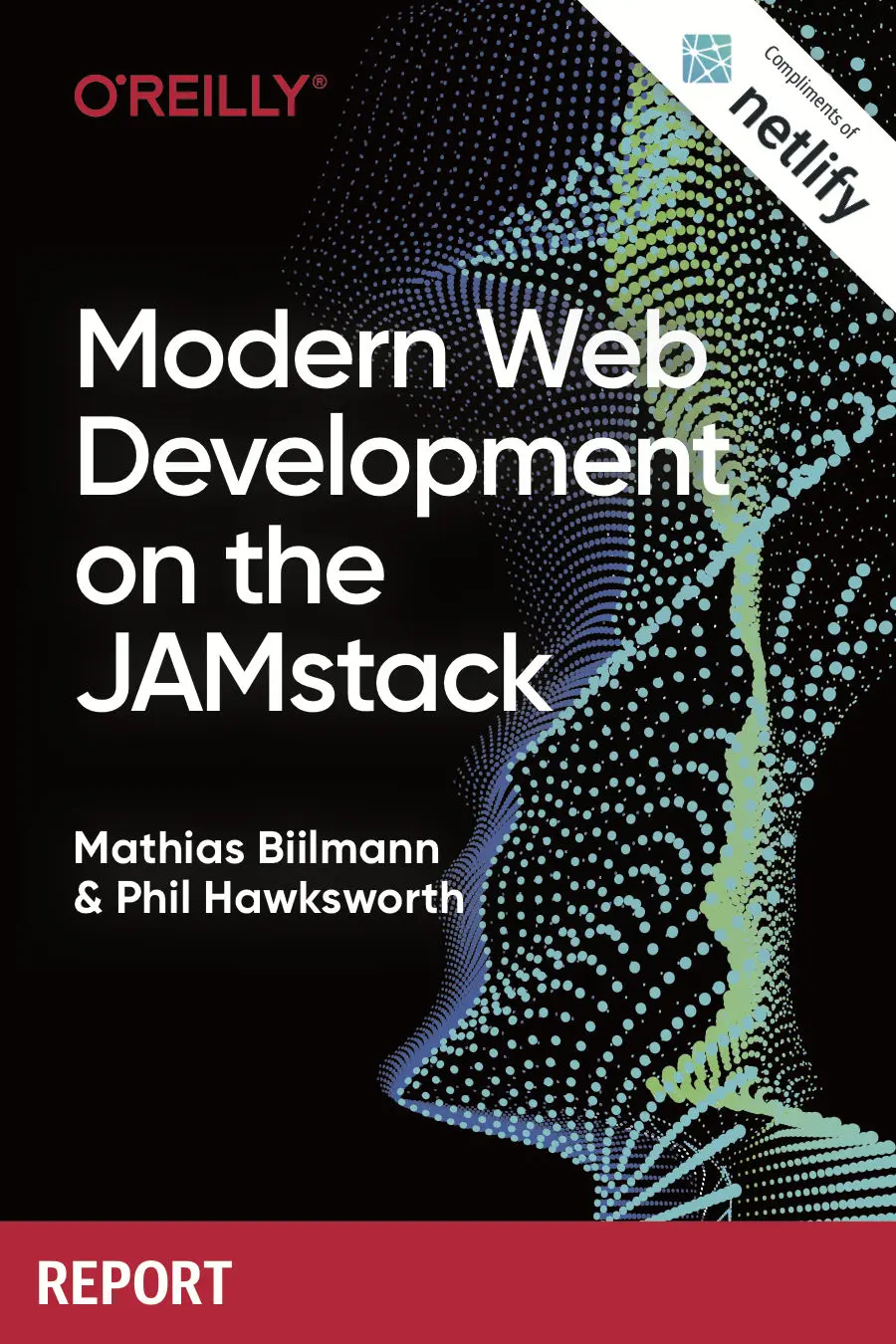
Modern Web Development on the JAMstack is a short introduction to a web architecture that became important because it made a simple promise: move as much work as possible out of the request path.
Instead of rendering every page dynamically on every visit, a JAMstack site prerenders markup, serves assets from a CDN, and uses APIs or serverless functions for the parts that genuinely need runtime behavior.
That model is especially useful for personal sites, documentation, marketing pages, blogs, and product surfaces where content changes often enough to need a workflow, but not so often that every request should hit a full application server.
Useful Ideas
Static Does Not Mean Simple
Static output can still support rich products. The important distinction is where the work happens: build time for durable content, edge delivery for speed, and APIs for dynamic behavior.
Performance Is Architectural
Fast pages are not only the result of minified assets. They come from avoiding unnecessary runtime computation, reducing origin dependency, and designing cacheable delivery paths from the beginning.
Operations Shape Developer Experience
Traditional CMS and server-rendered stacks often mix authoring, rendering, caching, deployment, and security into one operational surface. JAMstack separates those concerns, which can make small teams faster and safer.
Notes for This Site
Mohetios.dev follows much of this logic. Markdown content is committed as source, Nuxt Content turns it into queryable pages, and Cloudflare Pages can serve the generated output close to readers.
The tradeoff is that dynamic features need more deliberate design. Comments, search, personalization, and forms should not be added casually; each one changes the deployment and caching model.
Get the Book
- Netlify PDF: Modern Web Development on the JAMstack